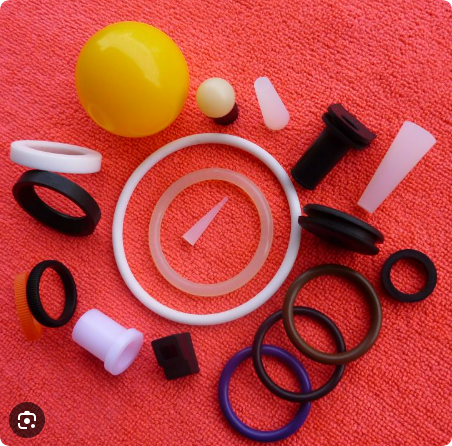
Silicone resins are mainly classified according to chemical structure, vulcanization method, physical form, performance grade, pore size, etc. The following is the most commonly used and clear classification system:
1. According to chemical structure (the most fundamental)
Organic silicone gel (silicone rubber)
◦ Main chain: -Si-O-Si-, with organic groups such as methyl/ethylene groups attached to the side chain
Elastic, with temperature resistance (-60℃ to 200℃), insulating property, and non-toxic.
◦ Usage: Gaskets, medical, food, electronics, baby care products
Inorganic silica gel
◦ Composition: SiO₂ porous structure, non-elastic
Strong adsorption capacity, chemical stability, insoluble in water
◦ Usage: Desiccant, adsorbent, catalyst carrier, chromatography support material
2. According to the vulcanization/curing method (the most commonly used in industry)
• HTV High Temperature Sulfurized Silicone Rubber
Solid rubber compound, vulcanized at 150–200℃
High intensity, stable size
◦ Usage: Large-sized seals, cable sheaths, and molded components
RTV Room Temperature Vulcanized Silicone Rubber
◦ Single-component (RTV-1): Cures upon exposure to air and moisture (adhesive)
◦ Two-component (RTV-2): AB mixture curing (for molds and potting)
• LSR Liquid Injection Silicone Rubber
Two-component liquid, injection molding (110–150℃)
High precision, suitable for complex thin-walled parts, medical/food grade.
◦ Usage: Baby pacifier, diving mask, precision electronic components
III. According to physical form
Solid silicone (HCR)
Solid block form, after mixing, molded or extruded
◦ Low cost, large quantity, universal applicability
Liquid Silicone Rubber (LSR)
◦ Flowing liquid, injection molding
Foam/Sponge Silicone Rubber
Foam structure, lightweight, heat-insulating, sound-proofing
4. By performance/grade
• General industrial grade: Temperature resistance -50 to 200℃, universal sealing, buttons
• Food grade: FDA/LFGB, non-toxic and odorless, suitable for kitchenware, ice containers, and baby bottles
• Medical grade: ISO10993, biocompatible, for implants/instruments/catheters
• Flame retardant / Conductive / Heat conductive: Electronic shielding, heat dissipation, fire prevention
• Fluorosilicone: Resistant to oil and solvents, used in automotive fuel systems.
V. Inorganic Silica Gel (by pore size)
• Micro pores (less than 2 nm), mesopores (2 - 50 nm), macropores (greater than 50 nm)
Coarse holes, Type B, Fine holes (commonly used for desiccants)
Would you like me to organize the above information into a concise comparison table for you? This way, it will be easier for you to quickly look up and make a selection.