

Hey there! I'm a supplier of plastic caps, and today I wanna chat about the temperature range that plastic caps can tolerate. This is super important info, whether you're a buyer looking for the right caps for your products or just curious about how these little things work.
Understanding Plastic Types and Their Temperature Tolerance
First off, it's crucial to know that different types of plastics have different temperature tolerances. The most common plastics used for caps are polyethylene (PE), polypropylene (PP), and polyvinyl chloride (PVC).
PE is a widely used plastic for caps because it's affordable, flexible, and has good chemical resistance. Low - density polyethylene (LDPE) can typically handle temperatures from around - 60°C to 80°C. This wide temperature range makes it suitable for various applications, like in packaging of beverages that might be stored in a refrigerator or in a mildly warm environment. High - density polyethylene (HDPE) is a bit more robust, with a temperature tolerance from about - 70°C to 100°C. It's often used for caps on containers that need to withstand a bit more heat, like some household cleaning product bottles.
PP is another popular choice. It's stiffer than PE and has better heat resistance. Polypropylene caps can generally tolerate temperatures between - 20°C and 130°C. This makes it ideal for hot - filled products, such as some types of sauces or soups. The high upper - end temperature limit means that it won't deform when coming into contact with relatively hot liquids.
PVC is known for its versatility and can be used to make different types of caps. Unplasticized PVC (uPVC) has a relatively high temperature tolerance, usually from - 40°C to 80°C. It's often used in rigid applications, like the PVC Hex Nut Protector Cap. Plasticized PVC, on the other hand, has a lower temperature range, typically from - 30°C to 60°C. It's more flexible and can be used in applications like the PVC Flexible Protector Cover Plastic Dipping Cap.
Factors Affecting Temperature Tolerance
It's not just the type of plastic that determines the temperature range a cap can handle. There are several other factors at play.
The thickness of the cap is a big one. Thicker caps generally have better insulation properties and can withstand more extreme temperatures than thinner ones. A thicker PE cap, for example, might be able to handle slightly higher temperatures without deforming compared to a thinner one of the same plastic type.
Additives also play a crucial role. Some caps are made with additives that enhance their heat resistance. For instance, antioxidants can prevent the plastic from degrading at high temperatures, while UV stabilizers can protect it from the effects of sunlight, which can also increase the temperature of the cap over time.
The design of the cap matters too. Caps with a more complex design, like those with multiple layers or reinforced structures, can often tolerate higher temperatures. They may have better structural integrity, which helps them maintain their shape even under thermal stress.
Real - World Applications and Temperature Requirements
When it comes to real - world applications, different industries have different temperature requirements for their plastic caps.
In the food and beverage industry, temperature control is essential for maintaining product quality and safety. Cold - filled products, like bottled water and soft drinks, usually require caps that can handle fridge temperatures. This could be as low as 0°C to 5°C. On the other hand, hot - filled products, such as canned fruits and some types of coffee, need caps that can withstand temperatures up to 80°C or even higher during the filling process. Our Customized High Sealing Colorful Plastic Cap is a great option for these applications, as it can be designed to meet specific temperature and sealing requirements.
The pharmaceutical industry also has strict temperature requirements. Medicines need to be stored and transported under controlled conditions. Caps for pharmaceutical products should be able to maintain their integrity within a specific temperature range, usually between 5°C and 30°C, to ensure the stability of the drugs.
In the automotive and industrial sectors, plastic caps are used to protect various components. These caps may be exposed to a wide range of temperatures, from the cold of a winter day to the high heat generated by machinery. For example, caps on automotive fluid containers need to withstand temperatures ranging from - 20°C to 120°C or more, depending on the location and function of the container.
Testing the Temperature Tolerance of Plastic Caps
As a plastic cap supplier, we take the temperature tolerance of our products very seriously. We conduct a series of tests to ensure that our caps meet the required standards.
One of the most common tests is the heat - aging test. In this test, we expose the caps to a specific high temperature for a set period of time. We then check for any signs of deformation, such as warping, cracking, or loss of sealing ability. This helps us determine the maximum temperature that the cap can withstand without significant damage.
We also perform cold - temperature tests. Caps are placed in a cold chamber at a specified low temperature, and we observe how they behave. We look for any brittleness or loss of flexibility, which could indicate that the cap is not suitable for applications in cold environments.
Tips for Choosing the Right Plastic Cap Based on Temperature
If you're in the market for plastic caps, here are some tips to help you choose the right ones based on temperature requirements.

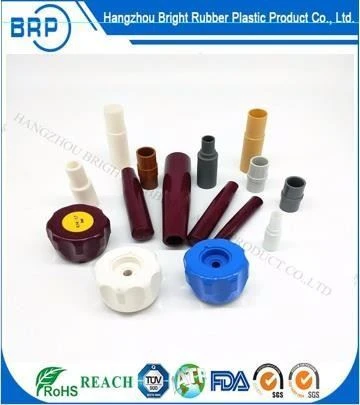
- First, know the temperature range that your product will be exposed to. Take into account not only the storage and transportation conditions but also any processing temperatures, such as filling or sterilization.
- Consider the type of plastic. PE, PP, and PVC have different temperature tolerances, so choose the one that best suits your needs.
- Look at the thickness and design of the cap. Thicker and more structurally sound caps are generally better at handling extreme temperatures.
- Ask your supplier about any additives used in the caps. Additives can enhance temperature resistance and other properties.
Contact for Purchasing and Discussion
If you're interested in learning more about our plastic caps or need to purchase them for your business, feel free to reach out. We're always happy to have a chat about your specific requirements and help you find the perfect plastic caps for your products. Whether you need a large quantity of standard caps or customized solutions, we've got you covered.
References
- "Plastic Materials" by Brian Ellis
- "Handbook of Plastic Films" edited by J. L. Wilkinson