

Hey there, fellow auto enthusiasts and industry pros! I'm part of an auto rubber seals supplier, and I've been knee - deep in the world of rubber seals for quite some time. Today, I wanna chat about something super important: what kind of lubricants are suitable for auto rubber seals.
First off, let's understand why we even need lubricants for auto rubber seals. Rubber seals in vehicles play a crucial role. They prevent leaks, keep contaminants out, and ensure the smooth operation of various components. However, friction, heat, and wear can take a toll on these seals over time. That's where lubricants step in. They reduce friction, protect against abrasion, and help extend the lifespan of the rubber seals.
Types of Lubricants for Auto Rubber Seals
1. Silicone - based Lubricants
Silicone - based lubricants are a top choice for many auto rubber seals. They are known for their excellent temperature stability. Whether it's the freezing cold of winter or the scorching heat under the hood in summer, silicone lubricants can handle it.

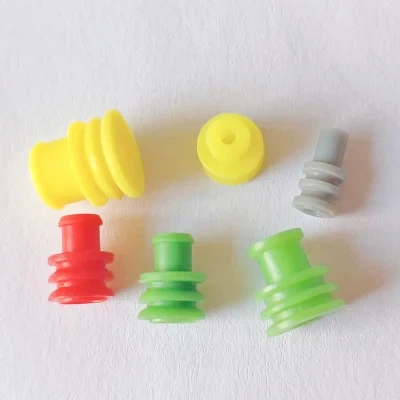
These lubricants create a smooth, protective film on the rubber surface. This film not only reduces friction but also acts as a barrier against moisture and oxidation. For example, if you're dealing with Custom Auto Rubber Silicone Wire Harness Seal, a silicone - based lubricant is a great match. The silicone won't react with the silicone in the seal, and it'll keep the wire harness protected from the elements and ensure a tight fit.
Another great thing about silicone lubricants is their longevity. They don't evaporate quickly, so you don't have to re - apply them as often. However, one thing to note is that they might not be the best for high - pressure applications. Under extremely high pressure, the silicone film can break down, so you need to be cautious.
2. Mineral Oil - based Lubricants
Mineral oil - based lubricants are quite common in the automotive industry. They have good lubricating properties and are relatively inexpensive. These lubricants are great for general - purpose applications where the seals are not exposed to extreme temperatures or harsh chemicals.
For instance, when using Custom Auto Rubber Clip Cloth Oil Seal, a mineral oil - based lubricant can work well. It helps the seal fit properly and lubricates the moving parts around it. But one drawback of mineral oil - based lubricants is that they can degrade rubber over time. The oil can cause the rubber to swell, which might lead to premature failure of the seal. So, if you're using this type of lubricant, you need to keep an eye on the condition of the seals.
3. Fluorocarbon - based Lubricants
Fluorocarbon - based lubricants are the heavy - hitters in the world of auto rubber seal lubrication. They offer exceptional chemical resistance and high - temperature performance. If your auto rubber seals are exposed to aggressive chemicals, such as fuels, solvents, or hydraulic fluids, a fluorocarbon - based lubricant is your best bet.
For products like Metal Frame FKM/NBR Automobile Oil Seal TC Rubber FKM Brown Rubber Oil Seal, which are often used in high - stress, high - chemical environments, these lubricants can provide long - lasting protection. Fluorocarbon lubricants form a very durable and non - reactive film on the rubber surface. However, they are quite expensive compared to other types of lubricants, which might be a factor to consider when making a choice.
Factors to Consider When Choosing a Lubricant
1. Temperature Range
As I mentioned earlier, different lubricants have different temperature tolerances. You need to know the operating temperature of the auto rubber seal. If it's in an engine compartment where the temperature can get really high, a silicone or fluorocarbon - based lubricant might be more suitable. On the other hand, if the seal is in a cooler part of the vehicle, a mineral oil - based lubricant could work.
2. Chemical Compatibility
The chemicals that the rubber seal will come into contact with are also crucial. If the seal is exposed to fuels, acids, or other harsh chemicals, you need a lubricant that won't react with them. Fluorocarbon - based lubricants are excellent in this regard, while mineral oil - based lubricants might not be the best choice for highly chemical - exposed seals.
3. Pressure
The pressure that the seal will experience is another factor. High - pressure applications require lubricants that can maintain their integrity under stress. Silicone lubricants might not be ideal for very high - pressure situations, while fluorocarbon - based lubricants are more likely to hold up.
4. Seal Material
Different rubber materials have different properties and react differently to lubricants. For example, silicone rubber seals work well with silicone - based lubricants, while nitrile rubber seals might be better suited to mineral oil - based or fluorocarbon - based lubricants. You need to match the lubricant to the specific rubber material of the seal.
How to Apply Lubricants to Auto Rubber Seals
Applying lubricants correctly is just as important as choosing the right one. First, make sure the seal is clean. Remove any dirt, debris, or old lubricant from the surface of the seal. You can use a mild soap and water solution to clean it, and then dry it thoroughly.
Next, apply the lubricant thinly and evenly. You don't want to over - apply it, as this can attract more dirt and debris. For small seals, you can use a small brush or a cotton swab to apply the lubricant. For larger seals, you might be able to use a spray - on lubricant for more even coverage.
After applying the lubricant, let it sit for a few minutes to allow it to penetrate the rubber surface. Then, you can install the seal as usual.
Conclusion
Choosing the right lubricant for auto rubber seals is a crucial decision that can impact the performance and lifespan of your seals. Whether you go for silicone - based, mineral oil - based, or fluorocarbon - based lubricants, you need to consider factors like temperature, chemical compatibility, pressure, and seal material.
If you're in the market for high - quality auto rubber seals or have questions about lubricants for them, don't hesitate to reach out. We're here to help you make the best choices for your automotive needs and ensure that your vehicles run smoothly.
References
- "Automotive Sealing Technology Handbook"
- "Rubber Materials and Their Applications in Automotive Industry"